
Plants
    • Home
    • Bulbs
    • Medicinal Plants
    No Result
    View All Result
    • Home
    • Bulbs
    • Medicinal Plants
    No Result
    View All Result
    Plants
    No Result
    View All Result

    Bitter orange

    Rhizome by Rhizome
    March 7, 2023
    in A-Z, Acidic Soil, Alkaline Soil, Clay Soil, Full, Houseplant, Loamy Soil, Spring, Tree, White, Woody
    0
    Bitter orange

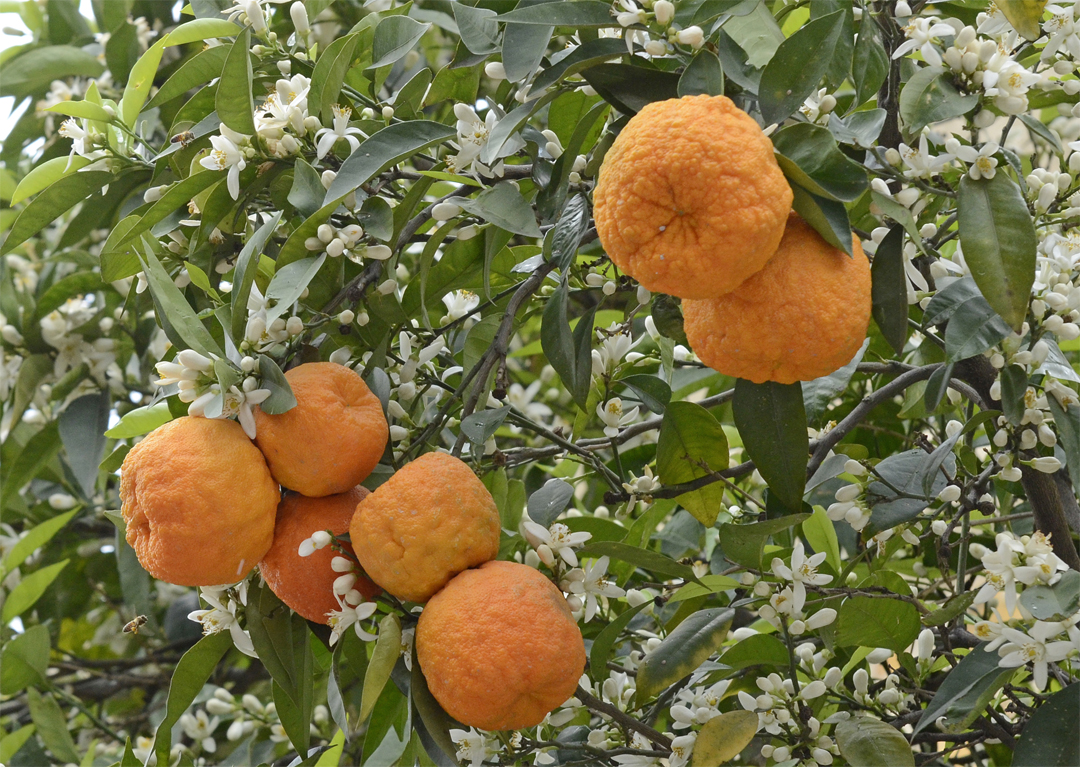
    An evergreen tree, growing to 8 m (26 ft.) high, with shiny, ovate leaves and fragrant white flowers, followed by bitter, orange fruits.

    History and traditions

    The citrus species were unknown to Greek and Roman writers, but they have been cultivated for so long that their origins are hazy. Oranges are probably natives of northern India, certainly China, and are thought to have been brought to the West by Arab traders via North Africa, Arabia and Syria, thence to Spain and Sicily. Citrus aurantium, the bitter Seville orange, is the species mentioned in a medicinal context by the Arabian physician, Avicenna, 980-1037, practicing at Salerno, and was the orange tree planted in Rome by St Dominic in AD 1200. These must also have been the oranges which Edward I’s Queen, Eleanor of Castille, is purported to have bought from a Spanish ship which called at Portsmouth in 1290 sweet oranges were not known in the West before the mid-15th century, introduced from the East by the Portuguese. The custom of wearing orange blossom at weddings is said to have originated with the Saracens, who considered it an emblem of fecundity, and the practice was introduced to Europe by returning Crusaders. Essential oil distilled from the flowers of the bitter orange was said to have an “exquisite fragrance” by the Italian Giambattista Porta in his herbal of 1588. It became known as “oil of Neroli” from 1680, because it was favoured by the wife of the Count of Neroli for perfuming gloves.

    Parts used

    Leaves, fruits, flowers. Essential oil of neroli, distilled from flowers; essential oil of petitgrain, distilled from leaves and twigs; distilled orange-flower water; oil of orange, expressed from the rind.

    Uses

    Medicinal

    Rich in vitamins A, B and C, and has energizing tonic properties. Infusions of leaves and flowers are used for digestive disorders. The essential oil of neroli is an anti-depressant and calming. It may also be helpful for insomnia.

    Culinary

    The fruits are used to make Seville orange marmalade and a bitter sauce to complement fatty poultry such as duck and goose. Orange-flower water has a delicate fragrance, ideal for flavouring sweet dishes. Oil of orange is a flavoring in commercial food products.

    Aromatic

    Essential oils of neroli and petitgrain are used in perfumery.

    Cosmetic

    Orange rind pounded, mixed with rainwater and applied as a poultice is a traditional Indian remedy for acne. Oil of neroli is soothing for dry, sensitive skins as an ingredient of creams and lotions. Also used in many citrus-based cleaning products.


    Previous Post

    Lemon

    Next Post

    Holy thistle

    Next Post
    Holy thistle

    Holy thistle

    Leave a Reply Cancel reply

    Your email address will not be published. Required fields are marked *

    Recent Posts

    Common Changes in the woman’s body after childbirth and how to manage them.

    Common Changes in the woman’s body after childbirth and how to manage them.

    March 20, 2023
    Ginger

    Ginger

    March 16, 2023
    Chaste tree

    Chaste tree

    March 16, 2023
    Sweet violet

    Sweet violet

    March 16, 2023
    Greater periwinkle

    Greater periwinkle

    March 16, 2023
    Vervain

    Vervain

    March 16, 2023
    Mullein

    Mullein

    March 16, 2023

      We don't provide medical advice or make any recommendations regarding specific health concerns via this website. Information provided in this content is for educational purposes only and should not replace the advice of a qualified healthcare professional. It is crucial to consult with a physician or other healthcare provider before starting any nutrition, supplement or lifestyle program, especially if you are currently taking any medications. The responsibility for any health consequences resulting from following the information in this educational content lies with the individual reader, and neither freeflowerbulbs.com nor the publisher assumes any liability.


      © 2023 www.freeflowerbulbs.com

      No Result
      View All Result

        We don't provide medical advice or make any recommendations regarding specific health concerns via this website. Information provided in this content is for educational purposes only and should not replace the advice of a qualified healthcare professional. It is crucial to consult with a physician or other healthcare provider before starting any nutrition, supplement or lifestyle program, especially if you are currently taking any medications. The responsibility for any health consequences resulting from following the information in this educational content lies with the individual reader, and neither freeflowerbulbs.com nor the publisher assumes any liability.


        © 2023 www.freeflowerbulbs.com