

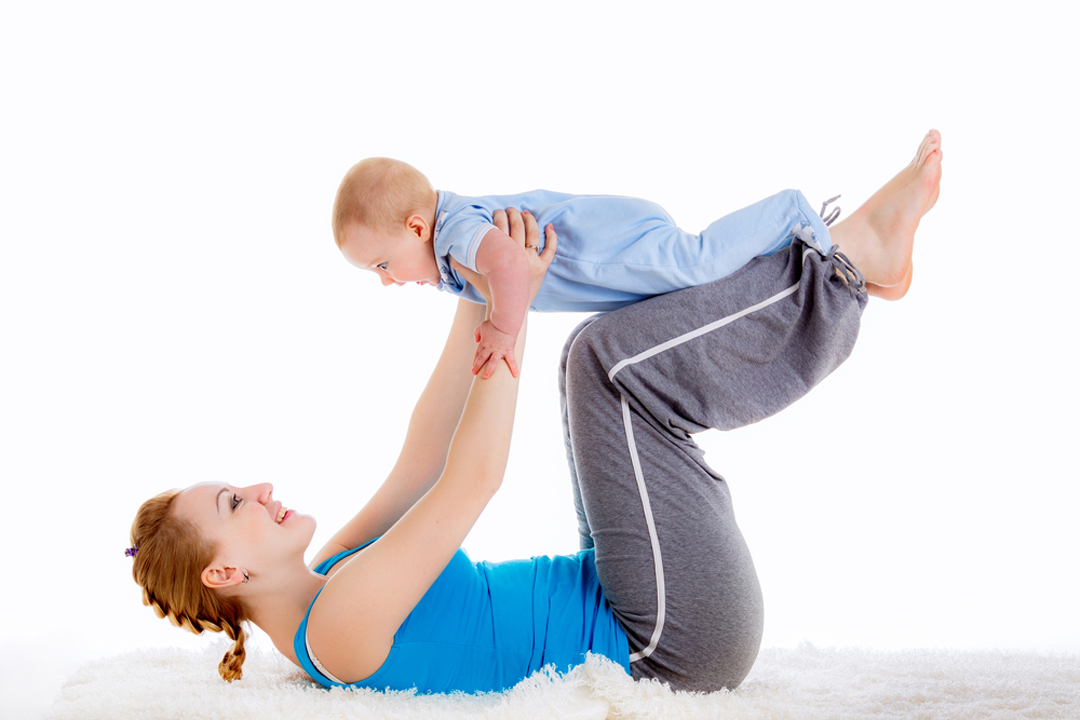
Several things happen in the woman’s body right after giving birth. The body changed significantly during pregnancy. It worked extra hard to keep you and the baby safe and healthy.
And now, after giving birth, the body is changing again. These changes may be physical, like full breasts with milk, while others can be emotional, like increased stress.
While many body changes and discomforts are normal, some may be signs of underlying health problems and may require treatment even if you are feeling well. Read on to learn about body changes to expect after giving birth and how you can manage them.
1. Breast engorgement
This change occurs in the breasts when it starts to fill with milk. This condition occurs a few days after giving birth, and the breast may feel tender and painful. You can feel the discomfort until you start regular breastfeeding.
However, if you are not breastfeeding, the discomfort can last until the breast stops milk production, which often lasts several days after giving birth.
What you can do to manage this discomfort
- Breastfeed your baby regularly and do not miss or go long between feeding.
- Express a small amount of milk using your hands or breast pump before breastfeeding the baby.
- Take a warm shower or use a warm towel to help milk flow. If it is really painful, you can place cold packs on top.
- Wear nursing pads to prevent your breasts from becoming wet if you have breast leaks.
2. Perineum soreness
The perineum is the part between the rectum and vagina. Sexually transmitted infections are the leading cause of a swollen rectum or Proctitis. It can tear or break during labor and normal birth. It is usually painful after childbirth and can be extremely sore when you undergo an episiotomy.
What you can do to manage it
- Do Kegel exercises to help strengthen your pelvic floor muscles
- Place a cold pack in the area.
- Soak in warm water.
- Sit on a donut-shaped cushion or a pillow.
- Ask the health provider for any pain medications.
- Wipe from front to back to prevent infection.
3. Afterbirth pains

These are belly cramps you experience as your womb gets back to its normal size after pregnancy. They should subdue after in a few days. Immediately after giving birth, the uterus is hard and round and weighs 2 ½ pounds. Six weeks later, it reduces to 2lbs.
The best way to handle this discomfort is by using pain relievers. Ask your doctor about the best over-counter medication you can use.
4. Hemorrhoids
Hemorrhoids are swollen, inflamed, and painful veins around the rectum that may cause discomfort and bleeding. This condition is more common during pregnancy and after giving birth.
Common symptoms include discomfort, particularly when sitting down and during bowel movements. Usually, high fiber foods, cream, and sprays for pain, drinking lots of water, and soaking in warm water are effective for pain remedies.
5. Urinary incontinence
As the baby grows in the belly, its weight puts weight on the pelvic floor muscles, which are responsible for keeping the bladder in control. These weak muscles may cause you to have small urine leaks when you do strenuous tasks, sneeze, or cough.
Kegel exercise is the most effective way of preventing leaks of pelvic muscles. Start doing these exercises immediately after giving birth, especially every time you pee. Practice holding the squeeze a little longer each time.
6. Constipation
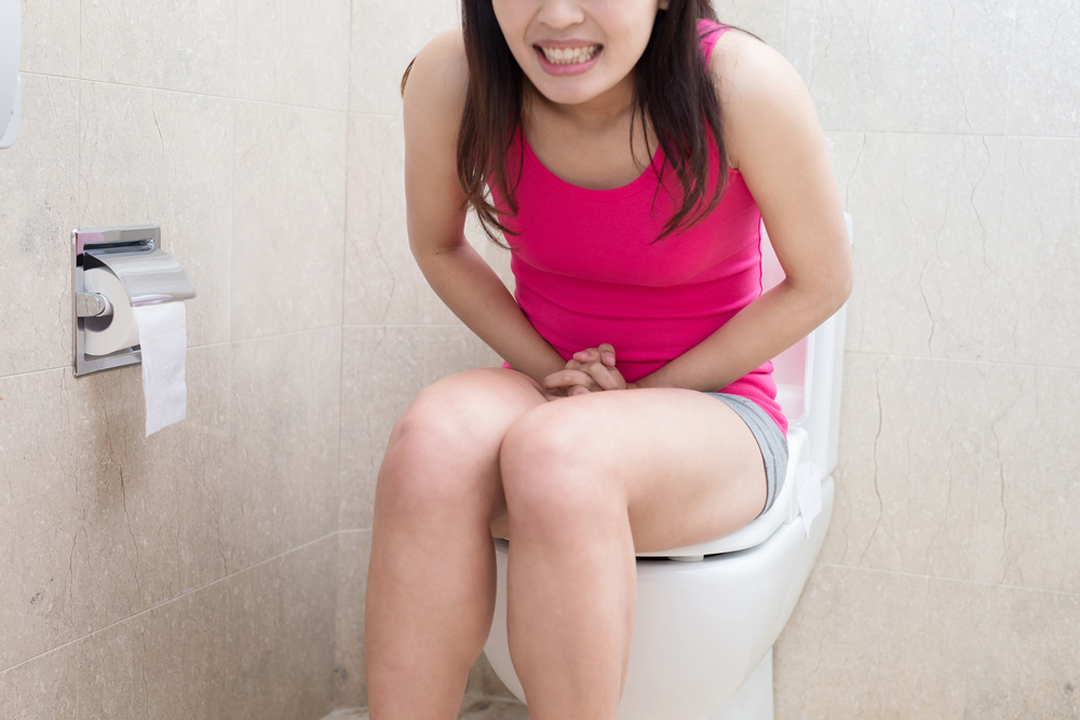
Constipation is a common occurrence after giving birth. And there are many things that can lead to it. If you were put on anesthesia, taking pain medication, or you have stitches from an episiotomy, then you are prone to getting constipation.
To help relieve constipation, you should drink a lot of water and consume fiber-rich diet. Usually, you are required to talk to a medical doctor about stool softeners. However, if you have not had constipation within four days after giving birth, you also need to see a doctor.
Conclusion
Recognizing your physical and emotional changes after giving birth is a big step towards accepting your new body. It is normal to have some emotional downs and body changes from the delivery process or as you adjust to parenthood. Recognize these changes and follow the guideline to remedy them.