
Plants
    • Home
    • Bulbs
    • Medicinal Plants
    No Result
    View All Result
    • Home
    • Bulbs
    • Medicinal Plants
    No Result
    View All Result
    Plants
    No Result
    View All Result

    Liquorice

    Rhizome by Rhizome
    March 10, 2023
    in Alkaline Soil, Blue, Full, Herb, Herbaceous Perennial, Loamy Soil, Neutral Soil, Perennial, perennial, Purple, Sandy Soil, Summer
    0
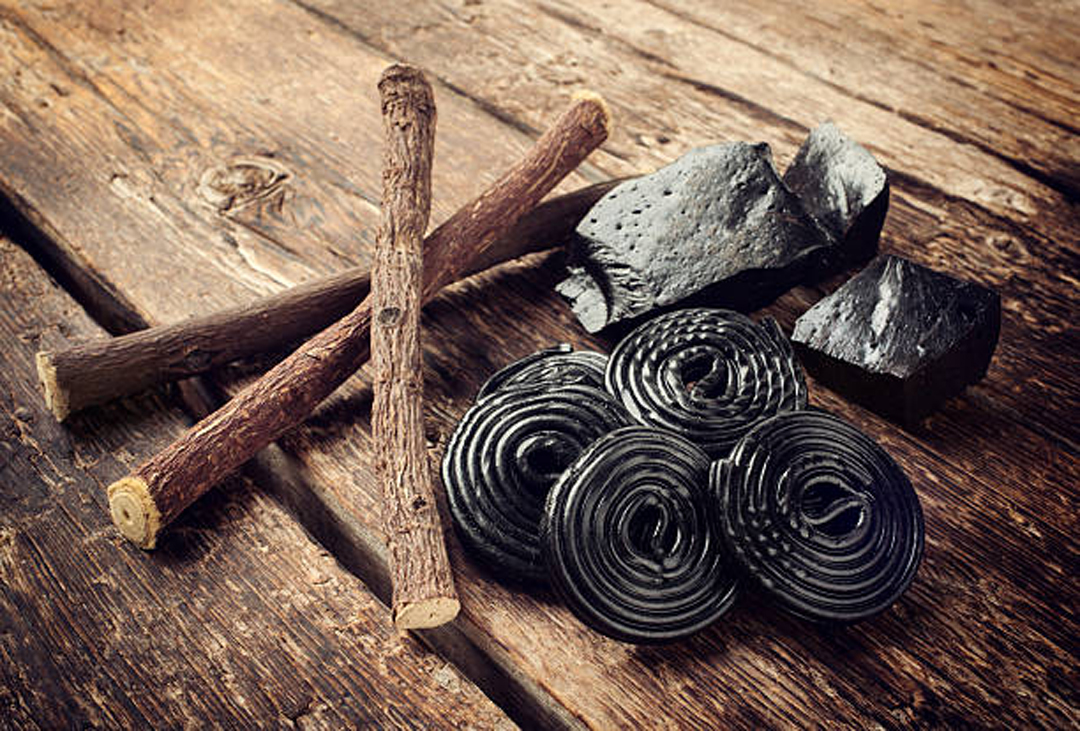
    Liquorice

    Thanks to: istockphoto.com/portfolio/fotograv

    A hardy perennial, growing up to 1.2 m (4 ft.), the leaves are pinnate, divided into 9-17 oval leaflets; the violet, pea like flowers are borne in short racemes, followed by long seed pods.

    History and traditions

    Liquorice has been valued for thousands of years for the sweetness of its root (it contains glycosides, including glycyrrhizin, that are 50 times sweeter than sugar) and for its medicinal powers. The generic name is from the Greek glykys (sweet) and rhiza (a root). This became corrupted to “gliquiricia” and thence to “liquorice”. The Egyptians put it into funeral jars and some was found in the burial chamber of Tutankhamen. The Chinese believed it was rejuvenating and gave them long life and strength. Roman legionnaires chewed it on the battlefield a habit taken up by Napoleon, who believed it had a calming effect on the nerves. It did not reach Europe until the 15th century, when it soon became established as a remedy for many ailments, including coughs, chest infections and digestive disorders. In 1760 a Pontefract apothecary, George Dunhill, thought of adding sugar and flour to the liquorice essence to produce the well-known confectionery. Liquorice confectionery is still made from the plant and it is an ingredient of many pharmaceutical products with principal centres of commercial cultivation in Russia, Spain and the Middle East.

    Related species

    G. lepidota is a North American wild species of liquorice, used by Indian tribes to ease childbirth.

    Habitat/distribution

    Originally from the Middle East, Asia and China, it is now cultivated in temperate regions worldwide, including parts of Australia, North and South America.

    Growth

    It requires a deep, rich, moisture retentive soil and a sunny position. Propagated by division of roots in autumn or spring. Germination from seed is slow. To encourage strong root growth, remove flower heads.

    Parts used

    Roots lifted in autumn, when plant is 3-4 years old, and dried for use in decoctions, liquid extracts and powders. Roots are boiled to extract the essence used in confectionery.

    Uses

    Medicinal

    An important herb in Ayurvedic medicine for stomach disorders, sore throats, respiratory infections and as first aid for snake or scorpion bites. In Chinese herbal medicine, it is used for sore throats and food poisoning. It has soothing anti-inflammatory properties and is added to proprietary cough mixtures, lozenges and laxatives. Liquorice root should not be used for self-medication.

    General

    As well as being used in confectionery production, liquorice is used to flavour beers and tobacco, and is employed in the manufacture of shoe polish, plastics and fibreboard.


    Previous Post

    Ginkgo

    Next Post

    Witch hazel

    Next Post
    Witch hazel

    Witch hazel

    Leave a Reply Cancel reply

    Your email address will not be published. Required fields are marked *

    Recent Posts

    Common Changes in the woman’s body after childbirth and how to manage them.

    Common Changes in the woman’s body after childbirth and how to manage them.

    March 20, 2023
    Ginger

    Ginger

    March 16, 2023
    Chaste tree

    Chaste tree

    March 16, 2023
    Sweet violet

    Sweet violet

    March 16, 2023
    Greater periwinkle

    Greater periwinkle

    March 16, 2023
    Vervain

    Vervain

    March 16, 2023
    Mullein

    Mullein

    March 16, 2023

      We don't provide medical advice or make any recommendations regarding specific health concerns via this website. Information provided in this content is for educational purposes only and should not replace the advice of a qualified healthcare professional. It is crucial to consult with a physician or other healthcare provider before starting any nutrition, supplement or lifestyle program, especially if you are currently taking any medications. The responsibility for any health consequences resulting from following the information in this educational content lies with the individual reader, and neither freeflowerbulbs.com nor the publisher assumes any liability.


      © 2023 www.freeflowerbulbs.com

      No Result
      View All Result

        We don't provide medical advice or make any recommendations regarding specific health concerns via this website. Information provided in this content is for educational purposes only and should not replace the advice of a qualified healthcare professional. It is crucial to consult with a physician or other healthcare provider before starting any nutrition, supplement or lifestyle program, especially if you are currently taking any medications. The responsibility for any health consequences resulting from following the information in this educational content lies with the individual reader, and neither freeflowerbulbs.com nor the publisher assumes any liability.


        © 2023 www.freeflowerbulbs.com