
Plants
    • Home
    • Bulbs
    • Medicinal Plants
    No Result
    View All Result
    • Home
    • Bulbs
    • Medicinal Plants
    No Result
    View All Result
    Plants
    No Result
    View All Result

    Sunflower

    Rhizome by Rhizome
    March 10, 2023
    in A-Z, Alkaline Soil, Annual, Annuals, Clay Soil, Fall, Full, Herb, Loamy Soil, Orange, Sandy Soil, Summer, Yellow
    0
    Sunflower

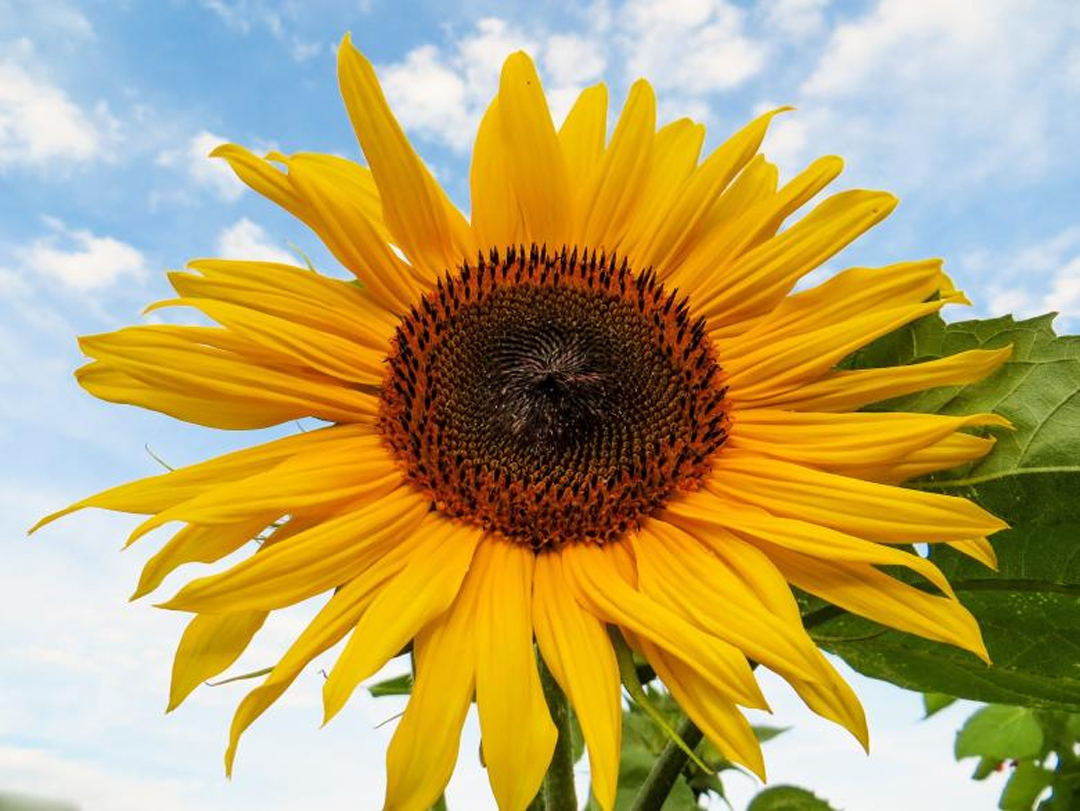
    A tall, impressive annual, up to 3 m (10 ft.) in height, with erect stems and oval, hairy leaves. The showy daisy-shaped flower heads, up to 30 cm (1 ft.) across, have bright yellow ray florets and brown disc florets at the center, followed by the striped black and white seeds, about 1,000 per head.

    History and traditions

    The sunflower originated in the Americas, probably Mexico. There is evidence that before 1000 BC it was grown there, for its seeds. It was among the many plants introduced to Europe from the New World in the 16th century, but did not become a major food plant and source of oil until large-scale cultivation began in Russia two centuries later (by the 1970s it was second only to soya bean as an oil crop). At some point it gained a reputation for being antimalarial and was used in Russian folk medicine for reducing fevers. The common name is a translation of the generic term, which is taken from the Greek for sun, Helios, and flower, anthos both for its sun like appearance and because it turns its head to follow the sun‘s direct rays.

    Growth

    A hardy annual which tolerates most soils, as long as reasonably well-drained. Propagate by seed sown in spring.

    Parts used

    Whole plant cut when flowering begins for use in extracts and tinctures. Seeds are collected when ripe in autumn, and used fresh or pressed to produce fatty oil.

    Uses

    Medicinal

    Sunflower seeds and oil are a good source of vitamin E, which has anti-oxidant properties, and are high in poly-unsaturated, especially linoleic acid, needed for the maintenance of cell membranes they also help lower blood cholesterol levels. Formerly, preparations made from the seeds were used for treating coughs and bronchial infections, applied externally to bruises and for easing rheumatic pains.

    Culinary

    Seeds are eaten fresh or roasted in salads, bread and bakery products. Oil is used for cooking and in salad dressings. Also a constituent of margarine.


    Previous Post

    Witch hazel

    Next Post

    Curry plant

    Next Post
    Curry plant

    Curry plant

    Leave a Reply Cancel reply

    Your email address will not be published. Required fields are marked *

    Recent Posts

    Common Changes in the woman’s body after childbirth and how to manage them.

    Common Changes in the woman’s body after childbirth and how to manage them.

    March 20, 2023
    Ginger

    Ginger

    March 16, 2023
    Chaste tree

    Chaste tree

    March 16, 2023
    Sweet violet

    Sweet violet

    March 16, 2023
    Greater periwinkle

    Greater periwinkle

    March 16, 2023
    Vervain

    Vervain

    March 16, 2023
    Mullein

    Mullein

    March 16, 2023

      We don't provide medical advice or make any recommendations regarding specific health concerns via this website. Information provided in this content is for educational purposes only and should not replace the advice of a qualified healthcare professional. It is crucial to consult with a physician or other healthcare provider before starting any nutrition, supplement or lifestyle program, especially if you are currently taking any medications. The responsibility for any health consequences resulting from following the information in this educational content lies with the individual reader, and neither freeflowerbulbs.com nor the publisher assumes any liability.


      © 2023 www.freeflowerbulbs.com

      No Result
      View All Result

        We don't provide medical advice or make any recommendations regarding specific health concerns via this website. Information provided in this content is for educational purposes only and should not replace the advice of a qualified healthcare professional. It is crucial to consult with a physician or other healthcare provider before starting any nutrition, supplement or lifestyle program, especially if you are currently taking any medications. The responsibility for any health consequences resulting from following the information in this educational content lies with the individual reader, and neither freeflowerbulbs.com nor the publisher assumes any liability.


        © 2023 www.freeflowerbulbs.com