

Anise has feathery leaves and flat, white flower-heads which bloom in late summer. Aromatic, small brown seeds or fruit follow with a strong licorice taste, most of them having a distinguishing fine hair at one end. The seed is the most useful part of the plant.
History and mythology
Anise is native to the Middle East and was known in ancient Egypt. Its usefulness as a fragrant and health-giving herb spread to Greece and Rome and then to many other countries. The Romans discovered that the seeds of anise and other aromatic spices helped the digestion after large banquets, so these spices were incorporated into a special cake which was served at the end of a large meal, such as a marriage feast. This is said to be the origin of today’s spicy wedding cake. Aniseed was grown by the monks in monastery gardens during the middle ages, for use as a tea.
Cultivation
Because of its spindly nature, this herb needs protection from prevailing winds and, at the same time, plenty of sunshine to promote healthy growth. The seedlings are soft and fragile and do not transplant well, so it is best to sow directly into the ground. Make sure that the soil is well broken up and in fine seed bed condition, adding a little lime if the ground is very acid. Unless the soil is extremely poor, fertilizer is not necessary. Sow the seeds in spring, and again in autumn (fall) in temperate zones, in 1/2 inch (12 mm) deep drills 12 inches (30 cm) apart. Cover and pack the soil down well, then keep moist until the seedlings appear. Water regularly in hot, dry weather, preferably in the late afternoon or evening, so as not to scorch the plants.
Harvesting and processing
Harvesting the fruit when it is ripe is simple. After the flower-umbels have become heavy with full, brown seeds, cut the heads off before they drop. Store them in cardboard boxes, or on sheets of paper in a dry place, exposing them to direct sunlight when possible, to completely dry out any moisture.
Sun-drying is not good for herb leaves, but is helpful in the drying of seed-heads. When they are crisp and dry, rub the seeds between the palms of the hands. The husks and old flower-heads are easily removed by sifting the seeds through a sieve. Store them m labeled and dated airtight containers. For culinary, medicinal, or cosmetic use, the seed will last for many years. But for propagating, germination will be more successful if the seeds are sown the following season.
Culinary
Warmly licorice-tasting aniseed, whether whole or ground, flavors and helps to digest many different types of food, such as breads, pasta, cakes, and biscuits, as well as stewed or baked apples and pears. For the same reason, it is used with some vegetables which can be indigestible, such as cabbages, onions, cucumbers, carrots, turnips, and beetroot. It is used, too, in some rich cheese dishes. The leaves of anise are sometimes used in food they give a piquant touch to salads. They may also be added to broths and soups while cooking.
Anise is known in Morocco as “habbet-hlawa.” It is used in Moroccan cooking because it is believed to aid digestion, and cuts the heavy, greasy effect of some foods.
Piper sanctum, called “hierba santa” or “hoya santa” in Mexico, is a large soft-leaved herb with a strong anise flavor, and is much prized in Oaxaca, Chiapas, Tabasco and Veracruz.
Also in the region of Oaxaca, cooks obtain a slight anise flavor by incorporating avocado leaves into their cooking. The leaves are toasted and crumbled and used like a spice to season that region s famous black bean tamales. The same flavour can be simulated by mixing deveined and crumbled bay leaf with one or two seeds of anise.
Medicinal
Aniseed not only works on the digestive system, but also helps respiratory ailments. The plant’s volatile oil contains anethole, the substance which has such a beneficial effect on the digestion. Aniseed tea, taken regularly, is said to allay colds and influenza, relieve flatulence, brighten the eyes, and make the breath sweeter. Anise is used to flavor cough lozenges, some cordials, herb tea blends, and liqueurs, such as Anisette. A little powdered seed added to food for young children will help their digestion, and when some aniseed tea is mixed with warm milk and honey, it helps soothe a fretful child. It is wise to give these simple remedies in moderation to the very young This applies to all medicinal herbs, unless prescribed by a fully trained therapist. The full flavor of aniseed tea is brought out by crushing the seeds before putting them into the teapot. Allow them to draw a little longer than usual.
Cosmetic
The Romans used aniseed in perfumes, as did the Britons in the Middle Ages. Cooled aniseed tea gently sponged onto the face with cotton wool helps to lighten the skin. Anise oil is also a good, fragrant antiseptic and has been used as an ingredient in dentifrices.
Companion planting
The seed of anise will germinate more quickly and grow better if it is sown near coriander seed. It has been observed that the presence of coriander improves the actual seed formation of the anise plants.
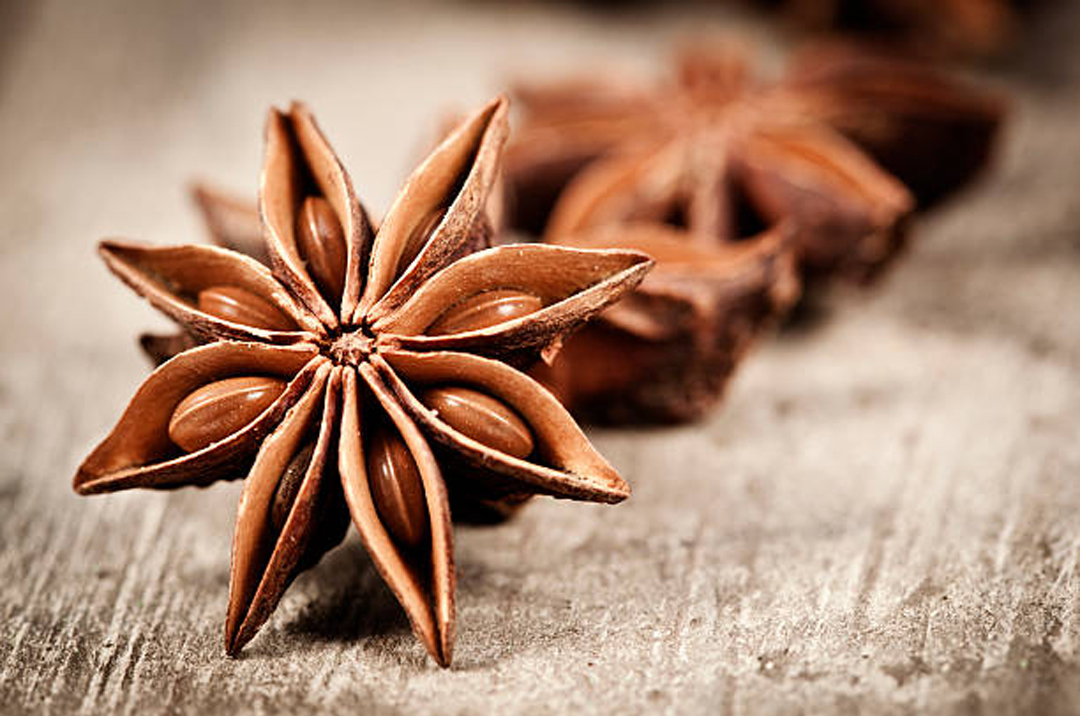
N.B. there is another anise called star anise which comes from a tree, illicium anisatum, that is indigenous to China. The oil from these seeds is the same in composition as the annual anise, and equally effective medicinally.