
Plants
    • Home
    • Bulbs
    • Medicinal Plants
    No Result
    View All Result
    • Home
    • Bulbs
    • Medicinal Plants
    No Result
    View All Result
    Plants
    No Result
    View All Result

    Bearberry

    Rhizome by Rhizome
    March 3, 2023
    in A-Z, Acidic Soil, Full, Ground Cover, Neutral Soil, Partial, Pink, Sandy Soil, Shallow Rocky, Shrub, Spring, White, Woody
    0
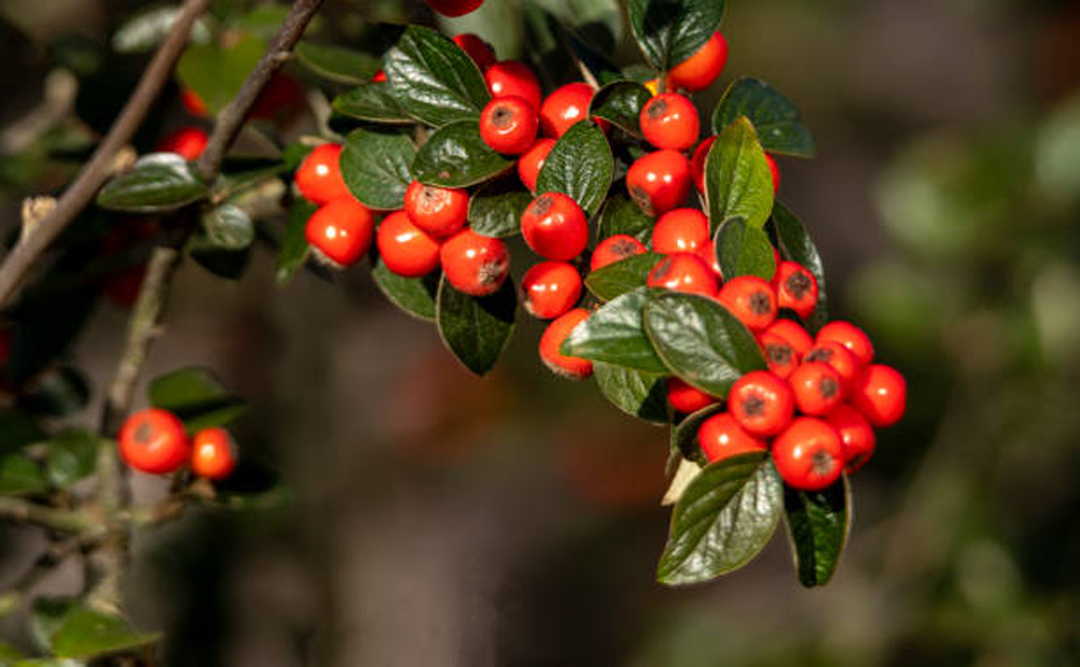
    Bearberry

    Thanks to: istockphoto.com/portfolio/Alphotographic

    A creeping, evergreen shrub, growing to 15 cm (6 in), with dark-green, leathery, small, oval leaves. Terminal clusters of tiny, white or pink, bell-shaped flowers appear in summer, followed by red fruit.

    History and traditions

    The generic name from the Greek, arcton staphyle, and the specific, uvaursi, from the Latin, both mean “bear’s grapes”, perhaps because bears enjoyed the fruit, or perhaps because the sour taste of this plant was only thought fit for consumption by bears. It is listed in 13th-century herbal manuscripts and was described in detail by the 16th-century Dutch botanist Clusius (Charles de L’’Ecluse). In the 17th century John Josslyn discovered this herb growing in North America, where many of the Native American tribes made use of its medicinal properties and added it to smoking mixtures. He found it to be highly effective against scurvy. It was considered medicinally important in 18th-century Europe, and remained so into the 20th century, appearing in the British Pharmacopoeia.

    Culinary

    Although the berries are edible, they taste extremely sharp, and are more suitable as “grouse feed”, (a use given in one herbal). The leaves were at one time a popular tea in Russia.

    Growth

    Needs moist, sandy or peaty soil. Ericaceous compost (soil mix) must be used if container-grown and for propagating, which can be done from seed, by layering in spring or from cuttings, taken with a heel, in summer.

    Parts used

    Leaves usually dried. For commercial use they are collected from the wild, mostly in Scandinavia and Russia, field cultivation having proved too costly.

    Uses

    Medicinal

    Constituents include arbutin and methylarbutin, which have been established as effectively antibacterial, especially against urinary infections, such as cystitis.

    General

    The leaves have a high tannin content and have been used in the past in leather tanning and to produce a dark-grey dye.


    Previous Post

    Greater burdock

    Next Post

    Betel nut

    Next Post
    Betel nut

    Betel nut

    Leave a Reply Cancel reply

    Your email address will not be published. Required fields are marked *

    Recent Posts

    Common Changes in the woman’s body after childbirth and how to manage them.

    Common Changes in the woman’s body after childbirth and how to manage them.

    March 20, 2023
    Ginger

    Ginger

    March 16, 2023
    Chaste tree

    Chaste tree

    March 16, 2023
    Sweet violet

    Sweet violet

    March 16, 2023
    Greater periwinkle

    Greater periwinkle

    March 16, 2023
    Vervain

    Vervain

    March 16, 2023
    Mullein

    Mullein

    March 16, 2023

      We don't provide medical advice or make any recommendations regarding specific health concerns via this website. Information provided in this content is for educational purposes only and should not replace the advice of a qualified healthcare professional. It is crucial to consult with a physician or other healthcare provider before starting any nutrition, supplement or lifestyle program, especially if you are currently taking any medications. The responsibility for any health consequences resulting from following the information in this educational content lies with the individual reader, and neither freeflowerbulbs.com nor the publisher assumes any liability.


      © 2023 www.freeflowerbulbs.com

      No Result
      View All Result

        We don't provide medical advice or make any recommendations regarding specific health concerns via this website. Information provided in this content is for educational purposes only and should not replace the advice of a qualified healthcare professional. It is crucial to consult with a physician or other healthcare provider before starting any nutrition, supplement or lifestyle program, especially if you are currently taking any medications. The responsibility for any health consequences resulting from following the information in this educational content lies with the individual reader, and neither freeflowerbulbs.com nor the publisher assumes any liability.


        © 2023 www.freeflowerbulbs.com