
Plants
    • Home
    • Bulbs
    • Medicinal Plants
    No Result
    View All Result
    • Home
    • Bulbs
    • Medicinal Plants
    No Result
    View All Result
    Plants
    No Result
    View All Result

    Galangal

    Rhizome by Rhizome
    March 3, 2023
    in A-Z, Loamy Soil, Neutral Soil, Partial, Perennial, Red, Rhizomes, Root, Summer, White
    0
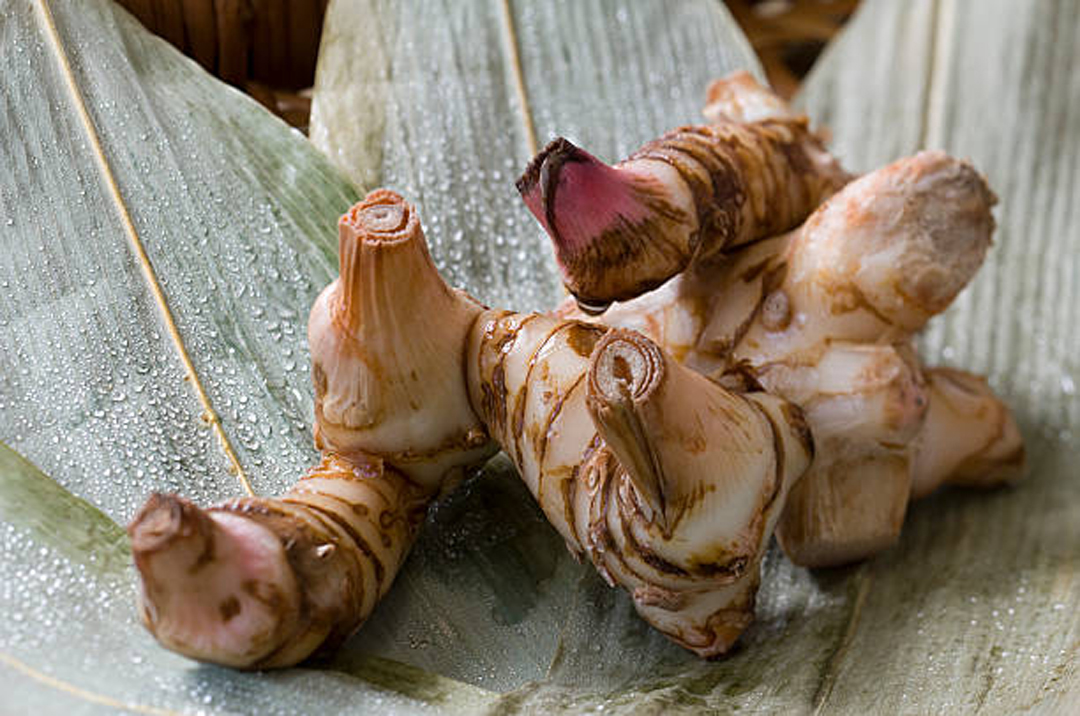
    Galangal

    Thanks to: istockphoto.com/search/photographer

    A tropical evergreen with tall clumps of ovate to lance late leaves growing from ginger-scented rhizomes to a height of 1.2 m (4 ft). Flowers are pale green and white. A officinarum, lesser galangal, is the more important species for both medicinal and culinary purposes.

    History and traditions

    Very similar to ginger, this plant has a long history as a spice and medicinal plant and has been used in Ayurveda and Chinese medicine since ancient times. ‘Galangal’ comes from the Arabic word Khalanjan, which could in turn be derived from a Chinese word meaning “mild ginger”. Known in Europe since the 9th century, it was probably introduced by Arab or Greek physicians.

    Culinary

    Both species are used as a ginger-like flavoring in Thai and southeast Asian cookery.

    Related species

    A galanga, greater galangal, is a larger plant, growing to 2 m (6 ft.), and has a less marked ginger aroma.

    Growth

    It can be grown only in climates with high humidity and minimum temperatures of 15-18°C (59-64°F). Needs well-drained soil and partial shade. Propagated by division of the rhizomes when new shoots appear.

    Uses

    Medicinal

    A good digestive, it also has antibacterial and antifungal properties, is used for feverish illnesses and fungal infections. A galanga is considered less effective medicinally.


     

    Previous Post

    Onion

    Next Post

    Marshmallow

    Next Post
    Marshmallow

    Marshmallow

    Leave a Reply Cancel reply

    Your email address will not be published. Required fields are marked *

    Recent Posts

    Common Changes in the woman’s body after childbirth and how to manage them.

    Common Changes in the woman’s body after childbirth and how to manage them.

    March 20, 2023
    Ginger

    Ginger

    March 16, 2023
    Chaste tree

    Chaste tree

    March 16, 2023
    Sweet violet

    Sweet violet

    March 16, 2023
    Greater periwinkle

    Greater periwinkle

    March 16, 2023
    Vervain

    Vervain

    March 16, 2023
    Mullein

    Mullein

    March 16, 2023

      We don't provide medical advice or make any recommendations regarding specific health concerns via this website. Information provided in this content is for educational purposes only and should not replace the advice of a qualified healthcare professional. It is crucial to consult with a physician or other healthcare provider before starting any nutrition, supplement or lifestyle program, especially if you are currently taking any medications. The responsibility for any health consequences resulting from following the information in this educational content lies with the individual reader, and neither freeflowerbulbs.com nor the publisher assumes any liability.


      © 2023 www.freeflowerbulbs.com

      No Result
      View All Result

        We don't provide medical advice or make any recommendations regarding specific health concerns via this website. Information provided in this content is for educational purposes only and should not replace the advice of a qualified healthcare professional. It is crucial to consult with a physician or other healthcare provider before starting any nutrition, supplement or lifestyle program, especially if you are currently taking any medications. The responsibility for any health consequences resulting from following the information in this educational content lies with the individual reader, and neither freeflowerbulbs.com nor the publisher assumes any liability.


        © 2023 www.freeflowerbulbs.com