
Plants
    • Home
    • Bulbs
    • Medicinal Plants
    No Result
    View All Result
    • Home
    • Bulbs
    • Medicinal Plants
    No Result
    View All Result
    Plants
    No Result
    View All Result

    Horse chestnut

    Rhizome by Rhizome
    March 2, 2023
    in A-Z, Acidic Soil, Alkaline Soil, Chalky Soil, Clay Soil, Full, Loamy Soil, Neutral Soil, Partial, Perennial, Pink, Poisonous, Sandy Soil, Summer, Tree, White, Yellow
    0
    Horse chestnut

    Thanks to: istockphoto.com/portfolio/Eucalyptys

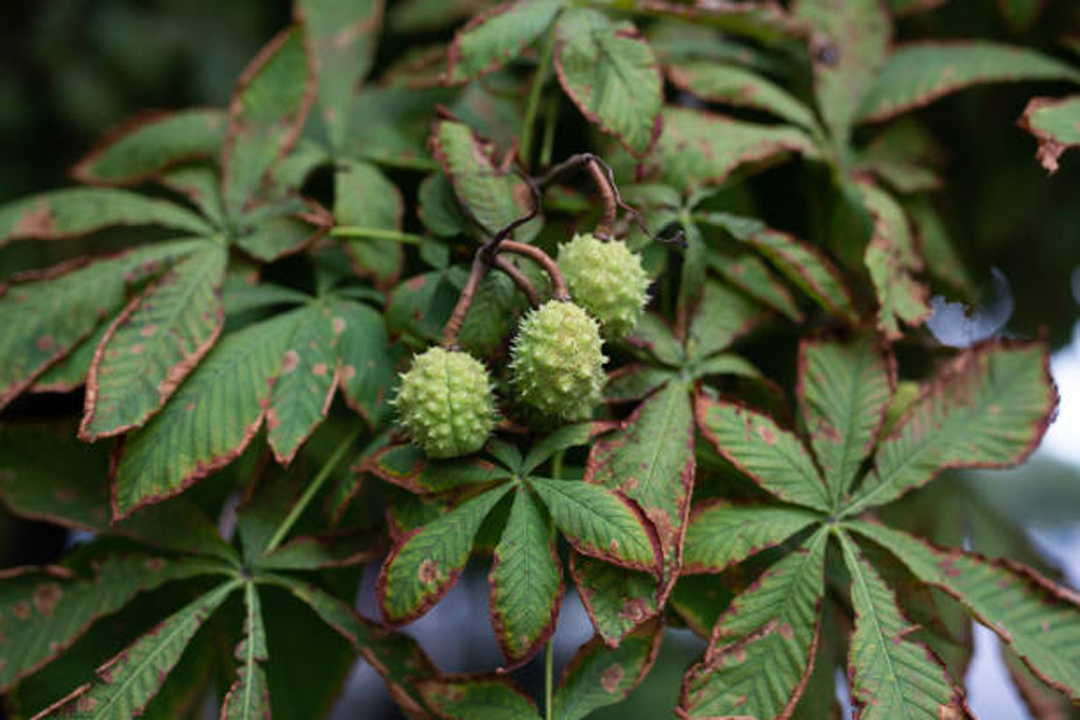
    A stately, deciduous tree, 30-40 m (98-130 ft.) in height, it has palmate leaves, sticky resinous buds and candelabras of white or pink-tinged flowers in spring. The spiny, globular, green fruit contains glossy reddish-brown seeds (conkers, also chestnuts).

    History and traditions

    This spectacular tree was introduced to Western Europe in the mid-16th century, when it was grown in Vienna from seeds brought from Istanbul by the botanist Clusius (Charles de L’Ecluse), although it does not seem to have been widely used for medicinal purposes until the late 19th century. The origins of the name are confused, but are all tied to the use of this tree as animal fodder. Hippocastanum is the Latin for “horse chestnut”, which the Romans supposedly fed to their livestock.

    Growth

    Propagate by seeds, sown in autumn. Often self-seeds and grows rapidly in any soil.

    Uses

    Medicinal

    Contains coumarin glycosides and saponins (of which aescin is the most important) giving it astringent, anti-inflammatory properties. It strengthens arteries and veins and is used against heart attacks, strokes, thrombosis, varicose veins and haemorrhoids. The active principles are extracted for use in pharmaceutical preparations.


    Previous Post

    Calamus

    Next Post

    Anise hyssop

    Next Post
    Anise hyssop

    Anise hyssop

    Leave a Reply Cancel reply

    Your email address will not be published. Required fields are marked *

    Recent Posts

    Common Changes in the woman’s body after childbirth and how to manage them.

    Common Changes in the woman’s body after childbirth and how to manage them.

    March 20, 2023
    Ginger

    Ginger

    March 16, 2023
    Chaste tree

    Chaste tree

    March 16, 2023
    Sweet violet

    Sweet violet

    March 16, 2023
    Greater periwinkle

    Greater periwinkle

    March 16, 2023
    Vervain

    Vervain

    March 16, 2023
    Mullein

    Mullein

    March 16, 2023

      We don't provide medical advice or make any recommendations regarding specific health concerns via this website. Information provided in this content is for educational purposes only and should not replace the advice of a qualified healthcare professional. It is crucial to consult with a physician or other healthcare provider before starting any nutrition, supplement or lifestyle program, especially if you are currently taking any medications. The responsibility for any health consequences resulting from following the information in this educational content lies with the individual reader, and neither freeflowerbulbs.com nor the publisher assumes any liability.


      © 2023 www.freeflowerbulbs.com

      No Result
      View All Result

        We don't provide medical advice or make any recommendations regarding specific health concerns via this website. Information provided in this content is for educational purposes only and should not replace the advice of a qualified healthcare professional. It is crucial to consult with a physician or other healthcare provider before starting any nutrition, supplement or lifestyle program, especially if you are currently taking any medications. The responsibility for any health consequences resulting from following the information in this educational content lies with the individual reader, and neither freeflowerbulbs.com nor the publisher assumes any liability.


        © 2023 www.freeflowerbulbs.com