
Plants
    • Home
    • Bulbs
    • Medicinal Plants
    No Result
    View All Result
    • Home
    • Bulbs
    • Medicinal Plants
    No Result
    View All Result
    Plants
    No Result
    View All Result

    Lemon balm

    Rhizome by Rhizome
    March 13, 2023
    in Acidic Soil, Clay Soil, Fall, Full, Herb, Loamy Soil, Neutral Soil, Partial, Perennial, Sandy Soil, Shallow Rocky, Summer, White
    0
    Lemon balm

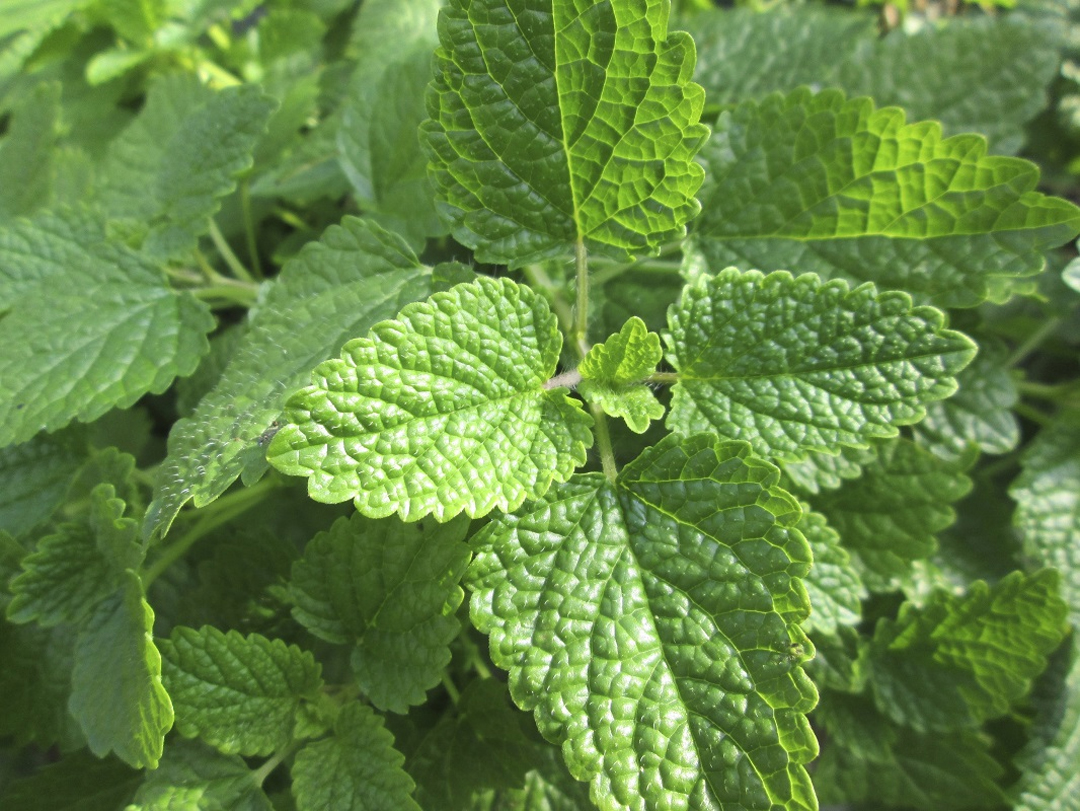
    A vigorous, bushy perennial, 30-80 cm (12-32 in) in height, it has strongly lemon-scented, rough-textured, ovate, toothed leaves. Inconspicuous clusters of pale-yellow flowers appear in the leaf axils in late summer.

    History and traditions

    Lemon balm has been cultivated as a bee plant for over 2000 years, bunches being put into empty hives to attract swarms. It is thought that that the leaves contain the same terpenoids as found in glands of honey bees. The Arab physicians of the 1st and 2nd centuries are credited with introducing it as an antidepressant medicinal herb. John Parkinson wrote that “the herb without question is an excellent help to comfort the heart” (Paradisi, 1629) and many of the old herbalists refer to it as driving away “all melancholy and sadness”. It has been taken as a calming tea, for its gently sedative effects ever since. Unsubstantiated stories of regular drinkers of balm tea living into their hundreds have been perpetuated by modern herbal writers.

    Growth

    Grows in any soil in sun or partial shade. Spreads and self-seeds freely. The easiest method of propagation is by division in spring. The species can be grown from seed, but cultivars must be vegetatively propagated. Parts used Leaves best used fresh, as scent and therapeutic properties are lost when dried and stored; essential oil distilled from leaves.

    Uses

    Medicinal

    Lemon balm has sedative, relaxing, digestive properties and infusions are taken internally for nervous anxiety, depression, tension headaches and indigestion. It also has insect-repellent properties, is antiviral and antibacterial and is applied externally, in infusions, poultices or ointments, for sores, skin irritations, insect bites and stings. The essential oil is used in aromatherapy for anxiety states.

    Culinary

    Fresh leaves add lemon flavor to salads, soups, sauces, stuffing’s, poultry game and fish dishes, desserts, cordials, liqueurs and wine cups.


    Previous Post

    Melilot

    Next Post

    Nutmeg (Mace)

    Next Post
    Nutmeg (Mace)

    Nutmeg (Mace)

    Leave a Reply Cancel reply

    Your email address will not be published. Required fields are marked *

    Recent Posts

    Common Changes in the woman’s body after childbirth and how to manage them.

    Common Changes in the woman’s body after childbirth and how to manage them.

    March 20, 2023
    Ginger

    Ginger

    March 16, 2023
    Chaste tree

    Chaste tree

    March 16, 2023
    Sweet violet

    Sweet violet

    March 16, 2023
    Greater periwinkle

    Greater periwinkle

    March 16, 2023
    Vervain

    Vervain

    March 16, 2023
    Mullein

    Mullein

    March 16, 2023

      We don't provide medical advice or make any recommendations regarding specific health concerns via this website. Information provided in this content is for educational purposes only and should not replace the advice of a qualified healthcare professional. It is crucial to consult with a physician or other healthcare provider before starting any nutrition, supplement or lifestyle program, especially if you are currently taking any medications. The responsibility for any health consequences resulting from following the information in this educational content lies with the individual reader, and neither freeflowerbulbs.com nor the publisher assumes any liability.


      © 2023 www.freeflowerbulbs.com

      No Result
      View All Result

        We don't provide medical advice or make any recommendations regarding specific health concerns via this website. Information provided in this content is for educational purposes only and should not replace the advice of a qualified healthcare professional. It is crucial to consult with a physician or other healthcare provider before starting any nutrition, supplement or lifestyle program, especially if you are currently taking any medications. The responsibility for any health consequences resulting from following the information in this educational content lies with the individual reader, and neither freeflowerbulbs.com nor the publisher assumes any liability.


        © 2023 www.freeflowerbulbs.com