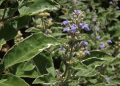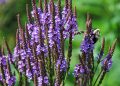



Lemon verbena is a small deciduous tree which can grow to 15 feet (4.5 m) in summer, when the pale lavender flowerets are clustered in scented plumes at the tips of leafy branches. In spring, summer, and autumn (fall) the tree is covered profusely with pointed leaves of light green, about 4 inches (10 cm) long, with a slightly sticky feel owing to their rich oil-bearing properties. Their perfume is strong and easily released, even by brushing past the foliage, when the air is immediately filled with a delicious lemony fragrance. As winter approaches, the leaves begin to turn yellow and fall, until by mid¬ winter the branches are quite bare.
History and mythology
Lemon verbena originated in South America and was introduced to England in 1784 where it soon became a garden favorite, as it has in different parts of Europe where the climate suits it We were once told that in Greece it is said that dried lemon verbena leaves in pillows will bring sweet dreams. The history of this tree does not go far back in European records, as it is such a comparative newcomer. There is another plant known as “verbena,” the herb vervain (Verbena officinalis), which is prominent in old herbal lore: it was believed to have magical as well as therapeutic qualities, and was esteemed by Hippocrates, the Druids, the Romans, the Tudors, and Elizabethans, and on through the centuries to the present day. Vervain has modern uses in herbal medicine for relieving nervous disorders, and in mixtures for stubborn skin complaints.
Cultivation
Plant lemon verbena trees in a sheltered, sunny position where the soil is medium to light and well drained.
In cold climates where winters are severe they are kept under cover. During hot summers mulch the roots with leaf mold or grass cuttings and water well; later, the roots will also need mulching to protect them from frost. In winter the tree is leafless. When it is about three years old it should be pruned, either in autumn (fall) or early winter, otherwise it will become straggly and sparse. If pruned regularly, the tree will reward you by growing thicker and taller every year. When propagating from hardwood cuttings in late winter, divide the wood into 6 inch (15 cm) pieces, trim off any side shoots, and press each piece into a deep pot of river sand, leaving one-third of the wood exposed at the top, and water well. When the cuttings have made strong roots, plant out. Tip cuttings are taken in late spring to early summer; trim the stems of foliage, allowing several leaves to remain at the top, then insert into the sand and continue in the same way as described for hardwood propagation. Seeds are sown in spring in prepared trays, as described in the section on growing from seeds on page 195 of this book.
Harvesting and processing
For harvesting the leaves, branches can be cut before midday at any time, particularly during the vigorous growing seasons of summer and early autumn (fall) flowers on the boughs are an excellent addition, with the leaves, to potpourri. This will help to stop the tree from becoming too leggy. The leaves are dried quickly and easily by tying the cut branches together and hanging them in a shady, airy place. When ready, strip off all the foliage and store in covered containers.
Various uses
Culinary
Two or three fresh lemon verbena leaves placed on top of a rice pudding or baked custard before it goes into the oven, impart a delicate flavor. In the same manner, a few leaves put on the bottom of a buttered cake tin before the mixture is spooned in, release their aromatic oils while the cake is baking; they can be peeled off when the cake has cooled. A traditional use for the leaves was to float them in finger bowls at banquets.
Medicinal
Fresh or dried, lemon verbena leaves make an excellent herbal tea for reducing fevers, to drink as a sedative, to help relieve indigestion, or as a cooling tea in very hot weather. A memorable and delightful clear, green lemon tea was once served to us in a Melbourne herb garden. Made with lemon verbena leaves, lemongrass, lemon balm, and lemon thyme, it was poured steaming hot from a strong glass teapot. Add one or two leaves to your pot of Indian tea for a refreshing flavor. Place some leafy tips or stalks in fruit drinks when the temperature soars.
Cosmetic
After a day’s gardening or strenuous exercise, especially in hot weather, a bunch of fresh lemon verbena leaves in a steaming bath revives body and mind while subtly scenting the skin. Lemon verbena oil is now available and may be used instead if you do not have the leaves. The oil is also used in perfumery.
Companion planting
A strongly aromatic lemon verbena tree brings life and vitality to the garden, and when in flower is beloved by bees. We have never seen any disease on the 14 mature 18-year-old trees in our garden, or on pot plants grown for sale in our nursery. This sturdiness is a boon for gardeners.