
Plants
    • Home
    • Bulbs
    • Medicinal Plants
    No Result
    View All Result
    • Home
    • Bulbs
    • Medicinal Plants
    No Result
    View All Result
    Plants
    No Result
    View All Result

    Lotus

    Rhizome by Rhizome
    March 1, 2023
    in A-Z, Annual, Full, Herbaceous Perennial, Loamy Soil, Neutral Soil, Perennial, Pink, Summer, White
    0
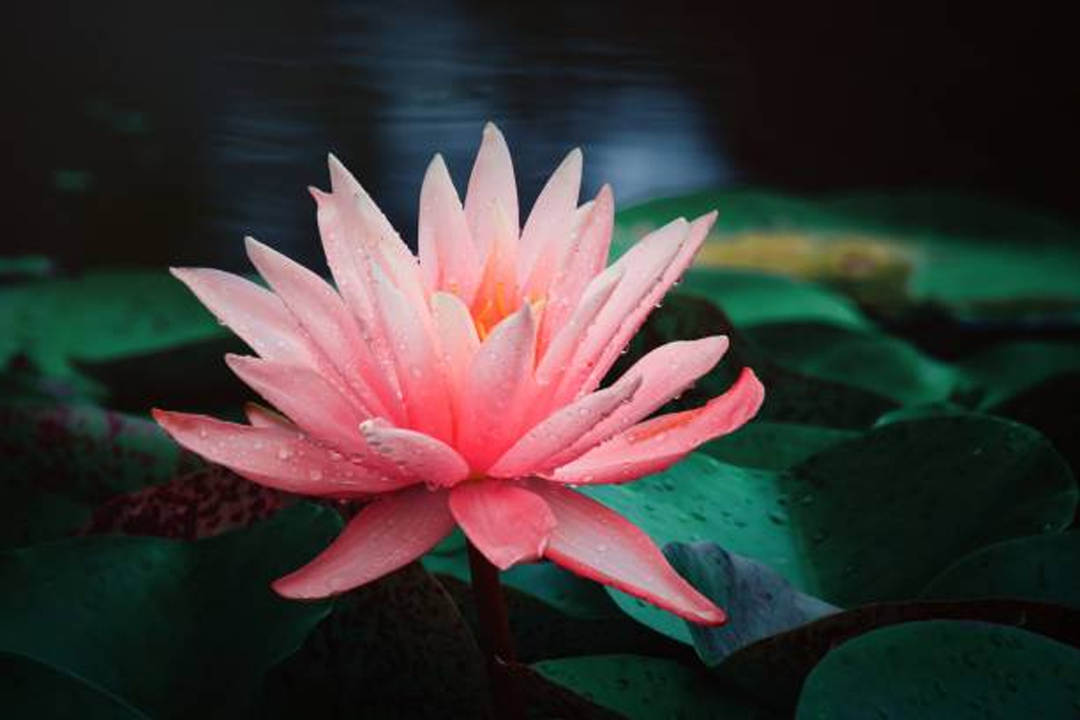
    Lotus

    Thanks to: istockphoto.com/portfolio/niuniu

    This aquatic herb grows to 3-4½ feet (1.5 m) high, with a long, bulbous series of rhizomes. The round, bluish-green leaves, up to 2 feet (60 cm) in diameter, have a waxy upper surface. Tight, pear-shaped buds open to reveal beautiful petals of pink, white or yellow. The flowers stand above the surface of the water, and are 3-5 inches (8-12 cm) in diameter.

    History and Mythology

    The lotus flower has long been associated with the cultures of China, India, and Egypt. It is one of the important flowers of Chinese culture, bringing mental associations of cool summer mornings, where red-and-white tipped blossoms stretch for half a mile, their perfume sweetly scenting the air. The Sung scholar Chou wrote an essay explaining why he loved the lotus, pointing out that the lotus, like the gentleman, might grow out of dirty water but was not contaminated by it. The lotus flower is seen as a symbol of Buddhism, and is frequently found in the Hindu and Moghul architecture of India. Lotus flowers and leaves can be seen in paintings and carvings of ancient Egypt, although the lotus no longer grows there in modern times. Pureed and sweetened lotus seeds are used in Chinese “moon cakes” eaten during the festival in the middle of autumn (fall).

    Various uses

    Culinary

    In China, every part of the lotus flower is utilized. A cooling drink is made from the root, food is wrapped in the broad green leaves for steaming, the flowers are enjoyed for their fragrance, and the seed eaten raw, fresh from the pod, or dried and sugared. The Thais eat the young leaves with a coconut milk and fermented soybean sauce. The petals are eaten either raw or cooked with nam prik (shrimp sauce), and the seeds are used in both sweet and savory dishes such as sweet lotus seeds in syrup, which is served with coconut milk and rice.

    Lotus root is a popular vegetable in Japan and Thailand, and the seeds are an ingredient in Chinese “eight treasure” dishes. The bitter core of the seed is removed before cooking.

    Medicinal

    The leaf and flower stems are used as a treatment for diarrhea in Southeast Asia, and the stamens are diuretic. Lotus seeds are used as a restorative tonic.


     

    Previous Post

    Cress

    Next Post

    Basil

    Next Post
    Basil

    Basil

    Leave a Reply Cancel reply

    Your email address will not be published. Required fields are marked *

    Recent Posts

    Common Changes in the woman’s body after childbirth and how to manage them.

    Common Changes in the woman’s body after childbirth and how to manage them.

    March 20, 2023
    Ginger

    Ginger

    March 16, 2023
    Chaste tree

    Chaste tree

    March 16, 2023
    Sweet violet

    Sweet violet

    March 16, 2023
    Greater periwinkle

    Greater periwinkle

    March 16, 2023
    Vervain

    Vervain

    March 16, 2023
    Mullein

    Mullein

    March 16, 2023

      We don't provide medical advice or make any recommendations regarding specific health concerns via this website. Information provided in this content is for educational purposes only and should not replace the advice of a qualified healthcare professional. It is crucial to consult with a physician or other healthcare provider before starting any nutrition, supplement or lifestyle program, especially if you are currently taking any medications. The responsibility for any health consequences resulting from following the information in this educational content lies with the individual reader, and neither freeflowerbulbs.com nor the publisher assumes any liability.


      © 2023 www.freeflowerbulbs.com

      No Result
      View All Result

        We don't provide medical advice or make any recommendations regarding specific health concerns via this website. Information provided in this content is for educational purposes only and should not replace the advice of a qualified healthcare professional. It is crucial to consult with a physician or other healthcare provider before starting any nutrition, supplement or lifestyle program, especially if you are currently taking any medications. The responsibility for any health consequences resulting from following the information in this educational content lies with the individual reader, and neither freeflowerbulbs.com nor the publisher assumes any liability.


        © 2023 www.freeflowerbulbs.com