
Plants
    • Home
    • Bulbs
    • Medicinal Plants
    No Result
    View All Result
    • Home
    • Bulbs
    • Medicinal Plants
    No Result
    View All Result
    Plants
    No Result
    View All Result

    Primrose

    Rhizome by Rhizome
    March 14, 2023
    in Clay Soil, Herbaceous Perennial, Loamy Soil, Neutral Soil, Partial, Perennial, Shade, Spring, White, Yellow
    0
    Primrose

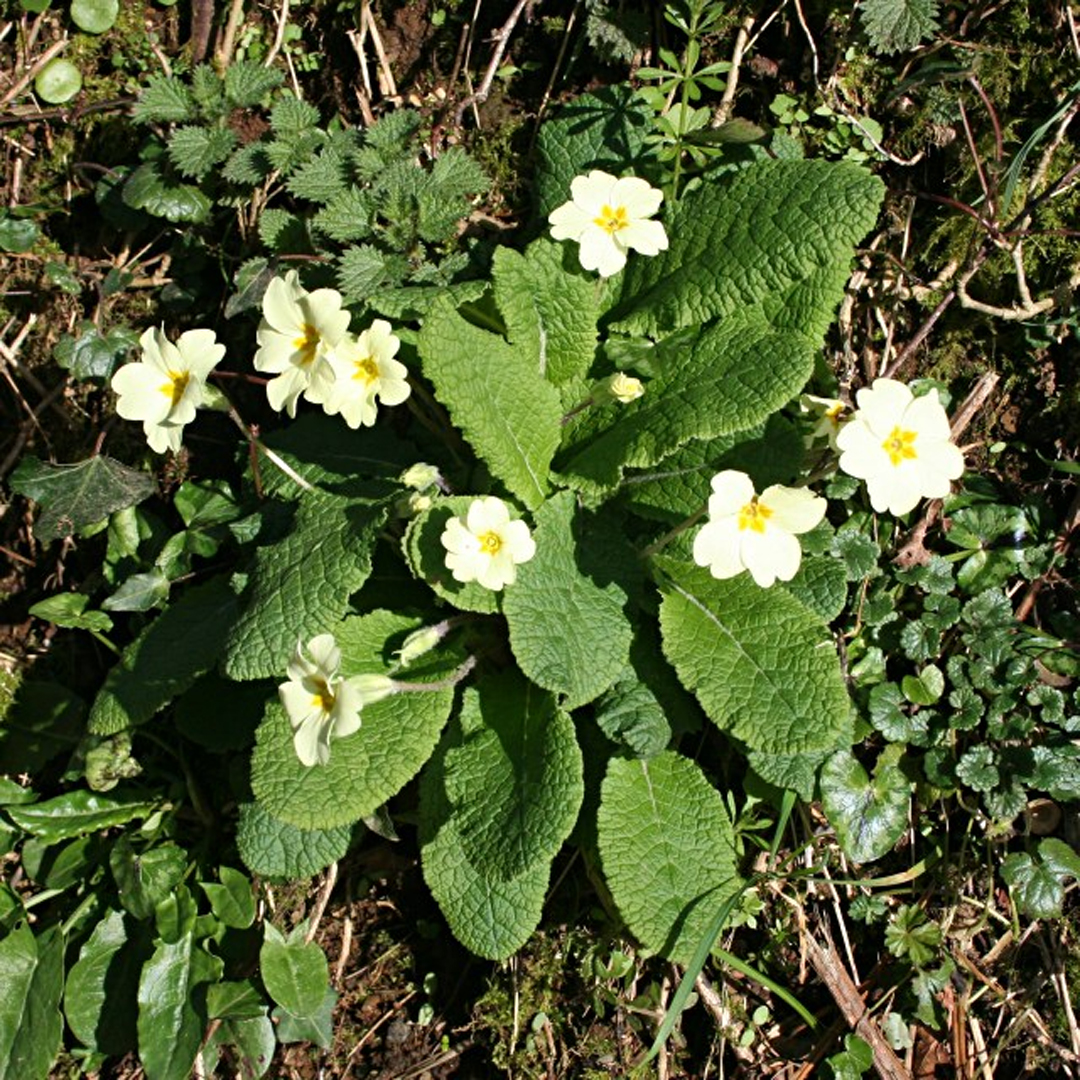
    A low-growing perennial, to 15 cm (6 in), with a rosette of deeply veined, softly hairy, broad ovate leaves and clusters of saucer-shaped, pale-yellow, slightly fragrant flowers in early spring.

    History and traditions

    The medicinal properties of the primrose, P vulgaris, are similar to those of the cowslip (P veris) and have been listed in old herbals, since Pliny’s time, for similar complaints. The primrose was made into salves and ointments and considered an important remedy for paralysis, rheumatic pain and gout. Its value as a sedative was well known and Gerard remarks that primrose tea, drunk in the month of May, “is famous for curing the premise”. It was popular in cookery, and recipe books include instructions for making soup, pies, and a pudding based on rice, almonds, honey, saffron and ground primrose petals.

    Habitat/distribution

    A European native, also found in northern Asia, introduced elsewhere, found on rich, damp soils in shady woodlands and hedgerows. Once common, now becoming rare in the wild, and a protected species in many countries.

    Parts used

    Flowers (must not be picked from the wild, as they are becoming very rare).

    Uses

    Medicinal

    Primroses are taken as a tea to calm anxiety. It has similar properties to cowslips. Culinary Flowers are added to salads and desserts or candied to decorate cakes.


    Previous Post

    Cowslip

    Next Post

    Selfheal

    Next Post
    Selfheal

    Selfheal

    Leave a Reply Cancel reply

    Your email address will not be published. Required fields are marked *

    Recent Posts

    Common Changes in the woman’s body after childbirth and how to manage them.

    Common Changes in the woman’s body after childbirth and how to manage them.

    March 20, 2023
    Ginger

    Ginger

    March 16, 2023
    Chaste tree

    Chaste tree

    March 16, 2023
    Sweet violet

    Sweet violet

    March 16, 2023
    Greater periwinkle

    Greater periwinkle

    March 16, 2023
    Vervain

    Vervain

    March 16, 2023
    Mullein

    Mullein

    March 16, 2023

      We don't provide medical advice or make any recommendations regarding specific health concerns via this website. Information provided in this content is for educational purposes only and should not replace the advice of a qualified healthcare professional. It is crucial to consult with a physician or other healthcare provider before starting any nutrition, supplement or lifestyle program, especially if you are currently taking any medications. The responsibility for any health consequences resulting from following the information in this educational content lies with the individual reader, and neither freeflowerbulbs.com nor the publisher assumes any liability.


      © 2023 www.freeflowerbulbs.com

      No Result
      View All Result

        We don't provide medical advice or make any recommendations regarding specific health concerns via this website. Information provided in this content is for educational purposes only and should not replace the advice of a qualified healthcare professional. It is crucial to consult with a physician or other healthcare provider before starting any nutrition, supplement or lifestyle program, especially if you are currently taking any medications. The responsibility for any health consequences resulting from following the information in this educational content lies with the individual reader, and neither freeflowerbulbs.com nor the publisher assumes any liability.


        © 2023 www.freeflowerbulbs.com