
Plants
    • Home
    • Bulbs
    • Medicinal Plants
    No Result
    View All Result
    • Home
    • Bulbs
    • Medicinal Plants
    No Result
    View All Result
    Plants
    No Result
    View All Result

    Viper’s bugloss

    Rhizome by Rhizome
    March 8, 2023
    in A-Z, Acidic Soil, Alkaline Soil, Annual, Biennial, Blue, Clay Soil, Fall, Full, Neutral Soil, Poisonous, Red, Sandy Soil, Shallow Rocky, Spring, Summer, Wildflower
    0
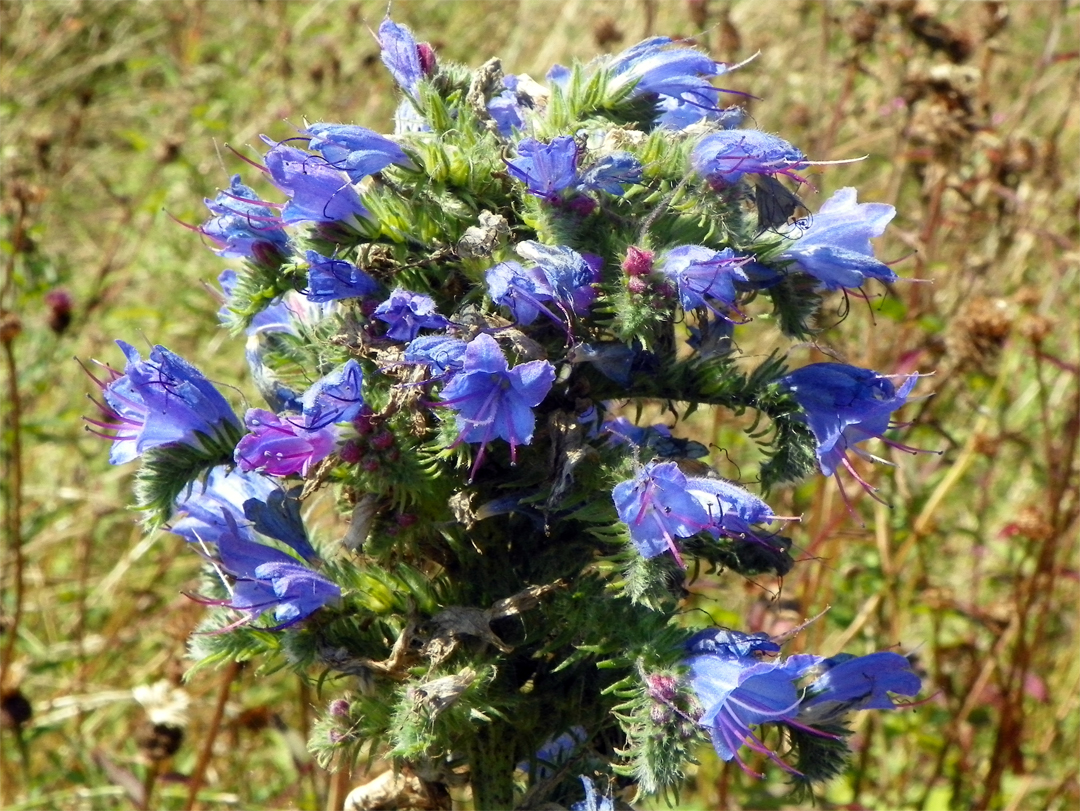
    Viper’s bugloss

    A bushy, bristly biennial, 60-90 cm (2-3 ft.) tall, with narrow lance-shaped leaves, spotted, hairy stems and dense spires of bell-shaped, violet-blue flowers in summer, opening from pinkish buds.

    History and traditions

    Early herbalists thought that the stems, speckled with pustules, looked like snakeskin, the fruits like snakes’ heads and the flower stamens like snakes’ tongues. So, in line with the medieval Doctrine of Signatures (whereby the appearance of a plant indicates what it can cure) E. vulgare was considered an antidote to the bite of an adder and by extension to anything else that was poisonous. In the words of William Coles, a most singular remedy against poison and the sting of scorpions” (The Art of Simpling). It was also widely dispensed against “swooning, sadness and melancholy” (Parkinson). A native of Europe, this attractive but invasive plant spread around the world, and became known as a tiresome weed in many countries, notably Australia and North America where it is known as “blue devil”.

    Growth

    Grows in any well-drained soil, in full sun. Propagated from seed sown in spring or early autumn.

    Uses

    Medicinal

    Once widely respected as an antidote to poison, its medicinal properties are now doubtful.

    Horticultural

    Traditionally grown in herb gardens for its historical associations.

    Previous Post

    Purple coneflower

    Next Post

    Cardamom

    Next Post
    Cardamom

    Cardamom

    Leave a Reply Cancel reply

    Your email address will not be published. Required fields are marked *

    Recent Posts

    Common Changes in the woman’s body after childbirth and how to manage them.

    Common Changes in the woman’s body after childbirth and how to manage them.

    March 20, 2023
    Ginger

    Ginger

    March 16, 2023
    Chaste tree

    Chaste tree

    March 16, 2023
    Sweet violet

    Sweet violet

    March 16, 2023
    Greater periwinkle

    Greater periwinkle

    March 16, 2023
    Vervain

    Vervain

    March 16, 2023
    Mullein

    Mullein

    March 16, 2023

      We don't provide medical advice or make any recommendations regarding specific health concerns via this website. Information provided in this content is for educational purposes only and should not replace the advice of a qualified healthcare professional. It is crucial to consult with a physician or other healthcare provider before starting any nutrition, supplement or lifestyle program, especially if you are currently taking any medications. The responsibility for any health consequences resulting from following the information in this educational content lies with the individual reader, and neither freeflowerbulbs.com nor the publisher assumes any liability.


      © 2023 www.freeflowerbulbs.com

      No Result
      View All Result

        We don't provide medical advice or make any recommendations regarding specific health concerns via this website. Information provided in this content is for educational purposes only and should not replace the advice of a qualified healthcare professional. It is crucial to consult with a physician or other healthcare provider before starting any nutrition, supplement or lifestyle program, especially if you are currently taking any medications. The responsibility for any health consequences resulting from following the information in this educational content lies with the individual reader, and neither freeflowerbulbs.com nor the publisher assumes any liability.


        © 2023 www.freeflowerbulbs.com