
Plants
    • Home
    • Bulbs
    • Medicinal Plants
    No Result
    View All Result
    • Home
    • Bulbs
    • Medicinal Plants
    No Result
    View All Result
    Plants
    No Result
    View All Result

    Willow

    Rhizome by Rhizome
    March 14, 2023
    in Acidic Soil, Alkaline Soil, Clay Soil, Full, Green, Loamy Soil, Neutral Soil, Partial, Sandy Soil, Spring, Tree, Woody, Yellow
    0
    Willow

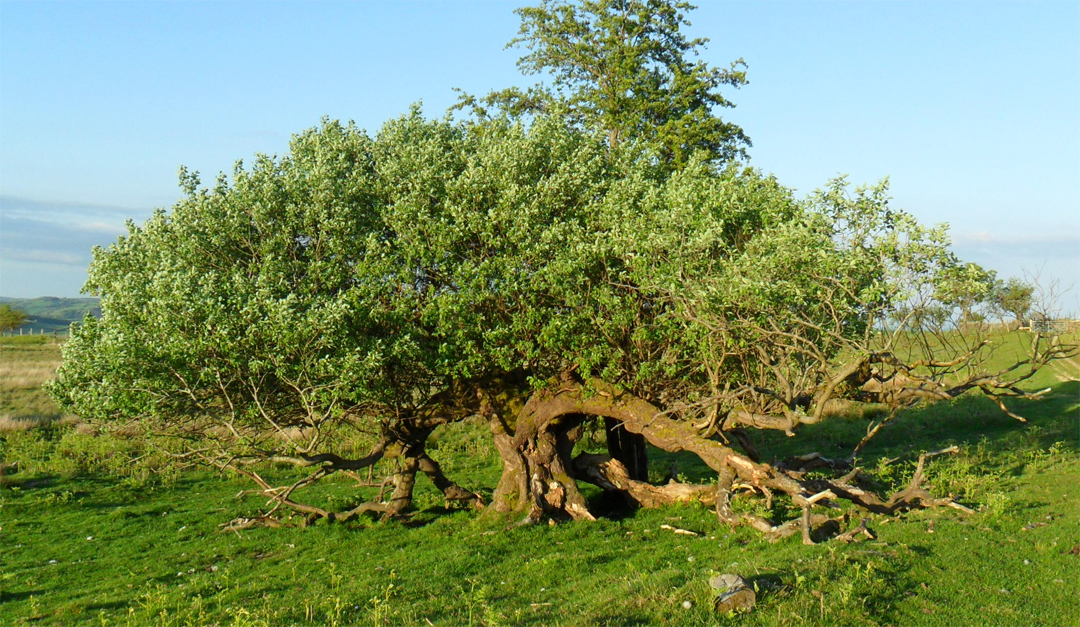
    A spreading, fast-growing deciduous tree, up to 25 m (82 ft.), it has greyish, fissured bark, arching branches and silvery-green, slender lance late leaves. Stalk-less, yellow male and female catkins are borne in spring.

    History and traditions

    The willow contains salicylic acid and is the origin of aspirin (acetylsalicylic acid), which was synthesized from it as early as 1853. The bark had been used in Europe for centuries to reduce pain and fever, and in Native American traditional medicine several willow species were used for the same purposes. Willow branches were popular church decorations in Britain and used as substitute palms (which were not readily available) on Palm Sunday. In Russia, the week leading up to Easter was often called “willow week”. The tree was always an emblem of sadness (it was a willow beneath which the “children of Israel” sat down and wept) and garlands of it were worn by the forsaken in love.

    Related species

    There are several species of willow with medicinal properties in this large genus, including the North American Salix myrsinifolia or black willow.

    Habitat/distribution

    Salix alba occurs widely in Europe and Asia, most often near rivers, streams and waterways.

    Growth

    Requires damp soil and even does well on heavy clay, but dislikes chalk. Propagated by greenwood cuttings in spring, or by hardwood cuttings in winter.

    Parts used

    Bark collected from 2-3-year-old trees and dried for use in decoctions and other preparations; leaves are also occasionally used in infusions.

    Uses

    Medicinal

    The salicylic compounds it contains give willow fever-reducing, analgesic, anti-rheumatic properties. Although it has been completely replaced by synthetics in pharmaceutical preparations it is still sometimes used in herbal medicine for fevers and neuralgia (taken internally), in baths for rheumatic pain and in ointments and compresses for cuts, burns and skin complaints.


    Previous Post

    Sorrel

    Next Post

    Clary sage

    Next Post
    Clary sage

    Clary sage

    Leave a Reply Cancel reply

    Your email address will not be published. Required fields are marked *

    Recent Posts

    Common Changes in the woman’s body after childbirth and how to manage them.

    Common Changes in the woman’s body after childbirth and how to manage them.

    March 20, 2023
    Ginger

    Ginger

    March 16, 2023
    Chaste tree

    Chaste tree

    March 16, 2023
    Sweet violet

    Sweet violet

    March 16, 2023
    Greater periwinkle

    Greater periwinkle

    March 16, 2023
    Vervain

    Vervain

    March 16, 2023
    Mullein

    Mullein

    March 16, 2023

      We don't provide medical advice or make any recommendations regarding specific health concerns via this website. Information provided in this content is for educational purposes only and should not replace the advice of a qualified healthcare professional. It is crucial to consult with a physician or other healthcare provider before starting any nutrition, supplement or lifestyle program, especially if you are currently taking any medications. The responsibility for any health consequences resulting from following the information in this educational content lies with the individual reader, and neither freeflowerbulbs.com nor the publisher assumes any liability.


      © 2023 www.freeflowerbulbs.com

      No Result
      View All Result

        We don't provide medical advice or make any recommendations regarding specific health concerns via this website. Information provided in this content is for educational purposes only and should not replace the advice of a qualified healthcare professional. It is crucial to consult with a physician or other healthcare provider before starting any nutrition, supplement or lifestyle program, especially if you are currently taking any medications. The responsibility for any health consequences resulting from following the information in this educational content lies with the individual reader, and neither freeflowerbulbs.com nor the publisher assumes any liability.


        © 2023 www.freeflowerbulbs.com