
Plants
    • Home
    • Bulbs
    • Medicinal Plants
    No Result
    View All Result
    • Home
    • Bulbs
    • Medicinal Plants
    No Result
    View All Result
    Plants
    No Result
    View All Result

    Olive

    Rhizome by Rhizome
    March 13, 2023
    in Acidic Soil, Alkaline Soil, Clay Soil, Full, Loamy Soil, Neutral Soil, Sandy Soil, Summer, Tree, White, Woody
    0
    Olive

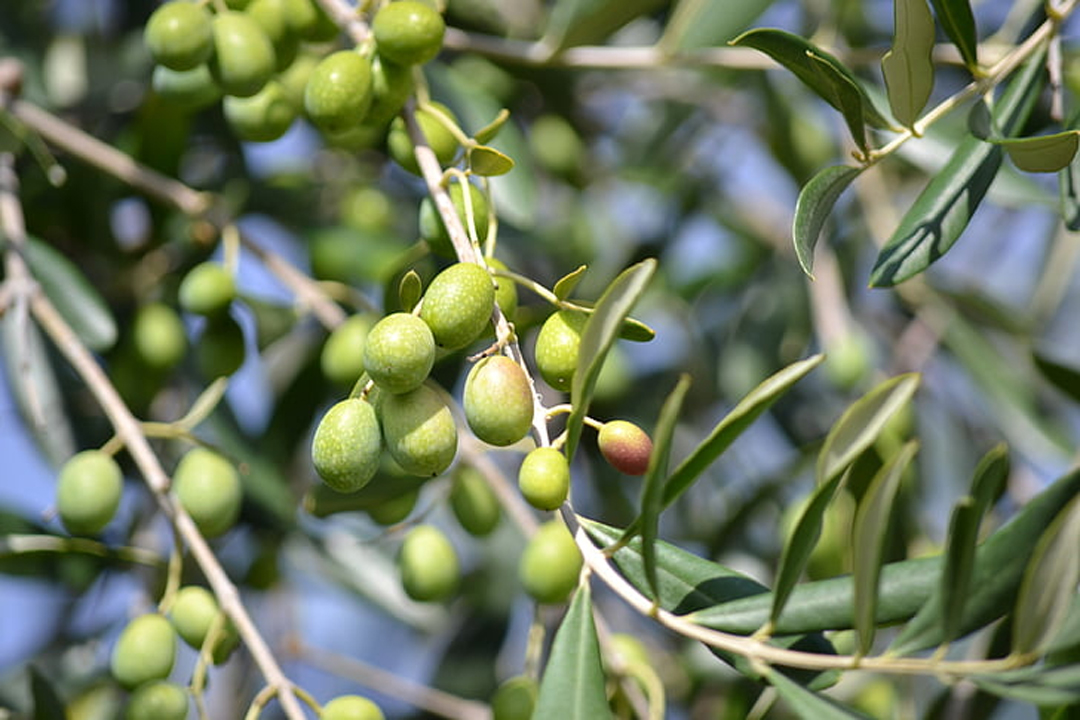
    An evergreen tree, 9-12 m (29-40 ft.) tall, it has pale-grey bark and pendulous branches, with smooth, leathery, grey-green, lance late to oblong leaves. Creamy-white flowers are borne in short panicles in summer, followed by green, ripening to dark purple fruits, known as drupes.

    History and traditions

    There is evidence that the olive tree has been cultivated north of the Dead Sea since 3700-3600 8c. Known to the Egyptians, it was always prized for the quality of the oil from the fruits. The Romans called the tree “olea”, from oleum, meaning oil, the Greek word being elajo. The olive branch has been a symbol of peace and reconciliation since the biblical story of the dove returning with a sprig of olive in its beak to Noah’s Ark after the flood had subsided.

    Growth

    Requires well-drained to dry soil and full sun. Although frost-hardy, it can be grown outside successfully only in Mediterranean climates. Propagated by seed sown in autumn or by semi-ripe cuttings in summer.

    Parts used

    Leaves dried for use in infusions and other herbal preparations; fruits harvested in autumn and winter, by beating them from the trees on to groundsheets; oil pressed from the fruit. Extra-virgin, cold-pressed oil, extracted without heat or chemical solvents, has the best flavor and properties.

    Uses

    Medicinal

    The oil is monounsaturated and its consumption is thought to help lower cholesterol levels and blood pressure, reducing risk of circulatory diseases. Leaves are antiseptic and astringent, taken internally in infusions for nervous tension and high blood pressure and applied externally to cuts and abrasions. The oil is thought to be helpful when taken internally for constipation and peptic ulcers.

    Culinary

    The fruits of the olive tree are eaten as appetizers, made into tapenade spread, added to salads, sauces, bread, pizzas, pasta and many other dishes. The oil is used in salad dressings, sauces, mayonnaise and as a general cooking oil.


    Previous Post

    Evening primrose

    Next Post

    Scotch thistle

    Next Post
    Scotch thistle

    Scotch thistle

    Leave a Reply Cancel reply

    Your email address will not be published. Required fields are marked *

    Recent Posts

    Common Changes in the woman’s body after childbirth and how to manage them.

    Common Changes in the woman’s body after childbirth and how to manage them.

    March 20, 2023
    Ginger

    Ginger

    March 16, 2023
    Chaste tree

    Chaste tree

    March 16, 2023
    Sweet violet

    Sweet violet

    March 16, 2023
    Greater periwinkle

    Greater periwinkle

    March 16, 2023
    Vervain

    Vervain

    March 16, 2023
    Mullein

    Mullein

    March 16, 2023

      We don't provide medical advice or make any recommendations regarding specific health concerns via this website. Information provided in this content is for educational purposes only and should not replace the advice of a qualified healthcare professional. It is crucial to consult with a physician or other healthcare provider before starting any nutrition, supplement or lifestyle program, especially if you are currently taking any medications. The responsibility for any health consequences resulting from following the information in this educational content lies with the individual reader, and neither freeflowerbulbs.com nor the publisher assumes any liability.


      © 2023 www.freeflowerbulbs.com

      No Result
      View All Result

        We don't provide medical advice or make any recommendations regarding specific health concerns via this website. Information provided in this content is for educational purposes only and should not replace the advice of a qualified healthcare professional. It is crucial to consult with a physician or other healthcare provider before starting any nutrition, supplement or lifestyle program, especially if you are currently taking any medications. The responsibility for any health consequences resulting from following the information in this educational content lies with the individual reader, and neither freeflowerbulbs.com nor the publisher assumes any liability.


        © 2023 www.freeflowerbulbs.com